When capturing moments, whether through photography or videography, lighting can play a pivotal role in defining the essence of the scene. Regardless of the environment or scenario, understanding how to effectively use lighting can significantly enhance the quality of your shots.
Natural Lighting
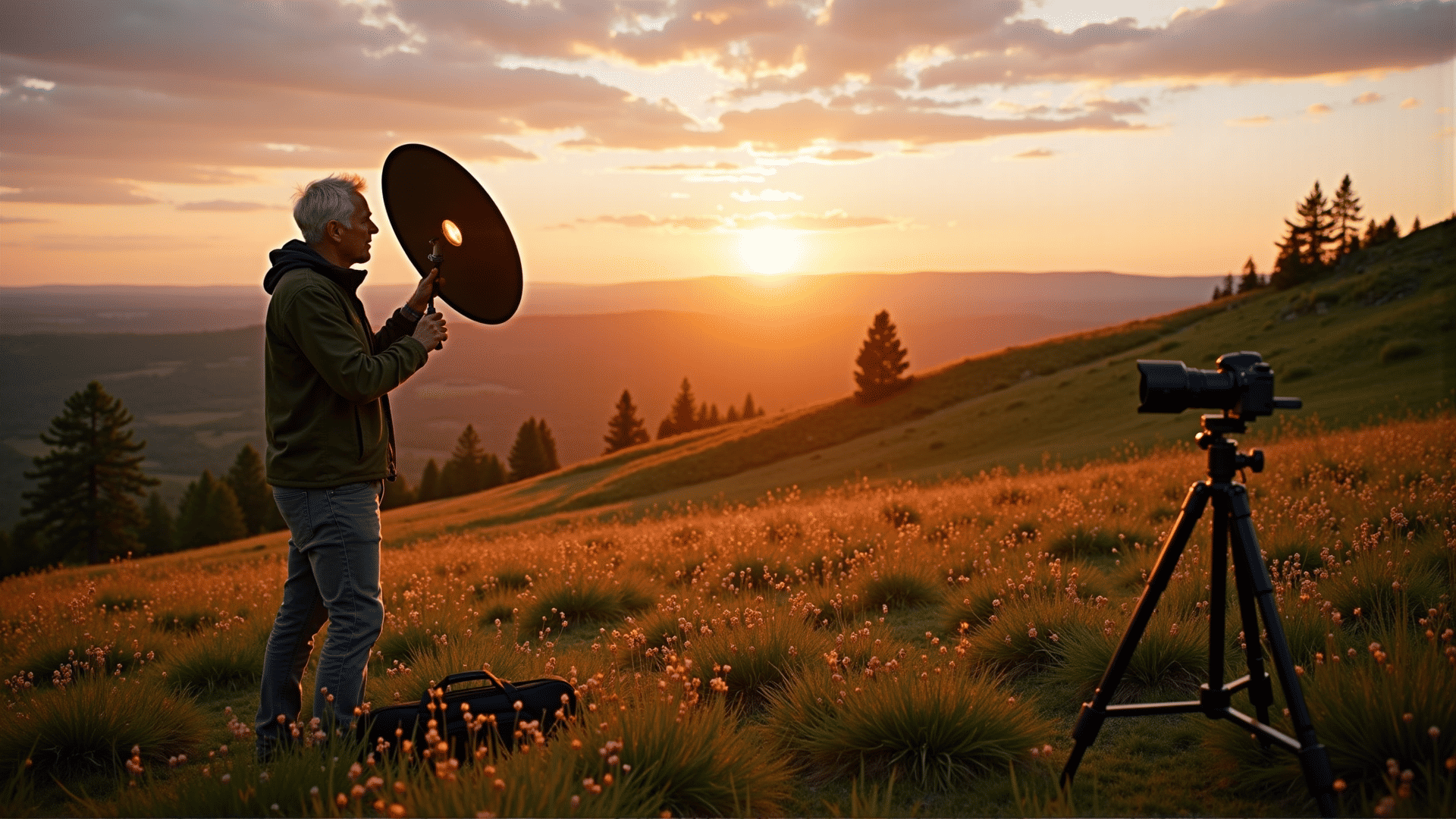
Golden Hour Magic: The period shortly after sunrise and before sunset offers a warm and soft glow that's perfect for capturing stunning images. During these hours, shadows are long, and the light is gentle, providing a natural, flattering touch to your subjects.
Overcast Advantages: Cloudy days can serve as a natural diffuser that softens sharp shadows and reduces the harshness of direct sunlight. This type of lighting is especially ideal for portraits, offering even illumination across the subject.
Backlighting Brilliance: Positioning your light source behind your subject can create dramatic silhouettes or a halo effect. It's essential to adjust your settings carefully to ensure the subject remains discernible and not overly silhouetted.
Artificial Lighting
Mastering Flash Techniques: While natural light is often preferred, a well-used flash can help fill in shadows and highlight the subject. For indoor settings, consider bouncing the flash off a ceiling or wall to diffuse the light, avoiding harsh shadows.
Continuous Lighting Use: For videography or still photography, continuous lighting offers the ability to shape and control light with precision. It allows you to immediately see the results of your adjustments, enabling better control over mood and intensity.
Creative Applications
Playing with Shadows: Shadows can add depth and intrigue to your shots. Experimenting with shadow placement and intensity can transform an ordinary scene into one that tells a story or conveys emotion.
Color Gels and Filters: Adding colored gels or filters over your light sources can dramatically alter the mood of a scene. Warm colors can convey comfort and passion, whereas cool tones might evoke a sense of tranquility or mystery.
Environment-Based Suggestions
Urban Environments: Utilize the artificial lights of a cityscape, including street lamps, car headlights, and neon signs. These can add character and vibrancy, creating dynamic contrasts and compositions.
Nature's Canvas: When surrounded by nature, consider the interplay between light and natural elements. The dappled light filtering through leaves or reflections off water can be captured beautifully with the right approach.
Tips for All Scenarios
Understand Your Gear: Familiarize yourself with your camera's or device's capabilities regarding ISO, shutter speed, and aperture settings. This knowledge can help you adapt quickly to various lighting conditions.
Experiment and Practice: Lighting is complex, and its nuances are best learned through continuous experimentation. Don't hesitate to try unconventional angles and setups to discover what works best for your style.
Through thoughtful application, lighting can transform your captures, enhancing their impact and bringing the scenes to life. By exploring these lighting techniques, you can harness the power of both natural and artificial sources to produce compelling imagery that tells a unique story.