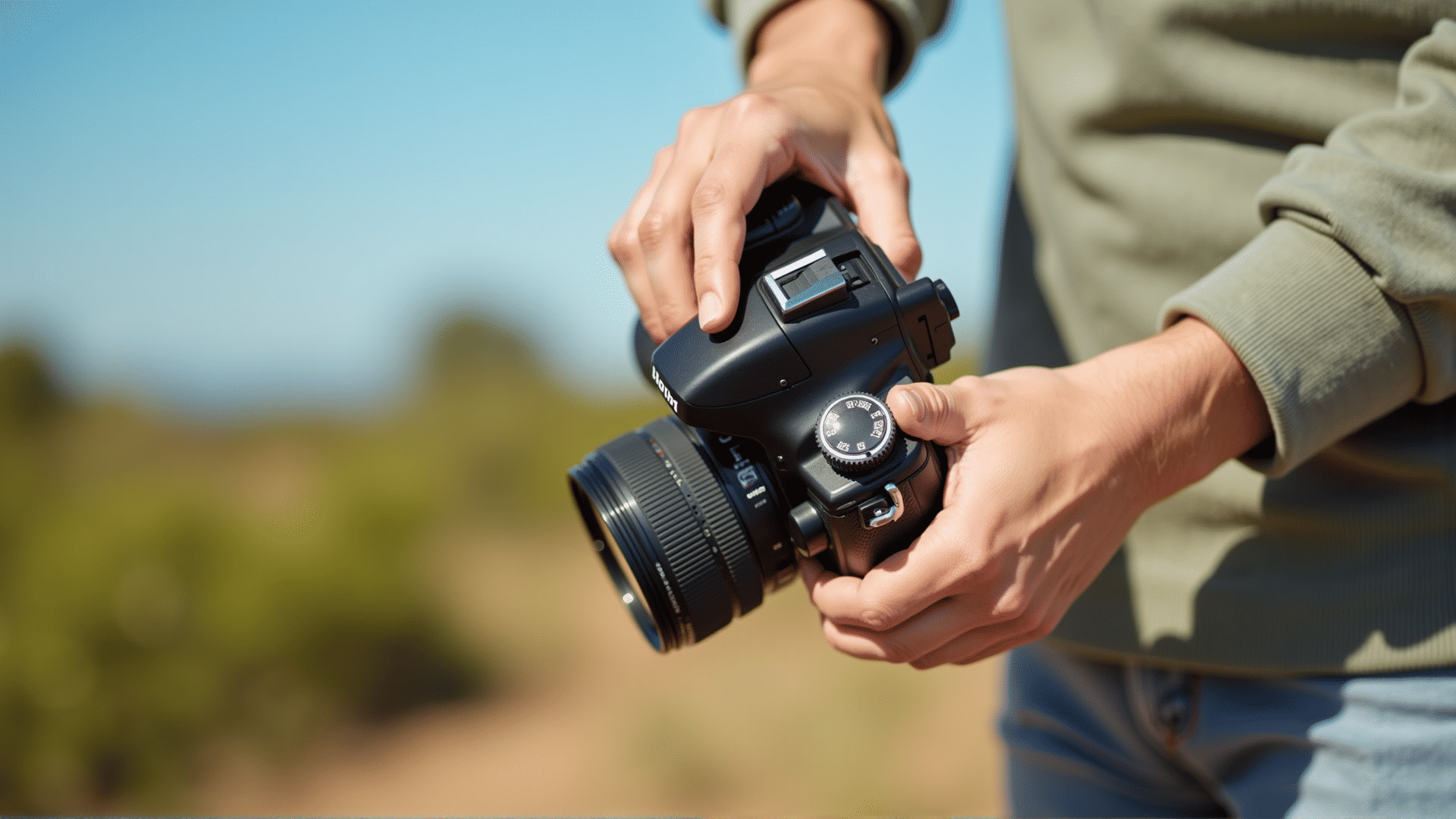
Photography is an art that goes far beyond simply pressing a button to capture an image. The way a photograph is composed and the techniques used in handling a camera are vital to transforming ordinary snapshots into extraordinary works of art. Mastering these fundamental skills can dramatically enhance your photography and provide a solid foundation for creating compelling imagery.
One of the most essential techniques to understand is exposure, which is influenced by three key elements: aperture, shutter speed, and ISO. Aperture refers to the size of the lens opening that allows light to reach the sensor. A wide aperture (a low f-number) allows more light and creates a shallow depth of field, perfect for portraits where you want the background to be blurred. Conversely, a narrow aperture (a high f-number) is ideal for landscapes to keep both the foreground and background in sharp focus.
Shutter speed is another critical component, determining how long the camera's shutter remains open to expose the sensor to light. A fast shutter speed can freeze action, ideal for sports photography, while a slow shutter speed creates motion blur, useful for conveying movement in a scene, like flowing water.
ISO, on the other hand, controls the camera's sensitivity to light. In low-light conditions, a higher ISO is necessary, though this can introduce noise to the image. Balance is key, and understanding how to adjust these three settings in harmony will greatly affect the quality and mood of your photographs.
The choice of lens also profoundly impacts the composition and perspective of your photos. Prime lenses, with fixed focal lengths, often provide sharper images and larger apertures, making them ideal for people and low-light situations. Zoom lenses offer versatility, allowing different focal lengths in a single lens, which is convenient for diverse subjects. Understanding the strengths of each type of lens can enhance your ability to capture the perfect shot.
Another technique crucial to effective photography is framing and composition. The rule of thirds is a powerful guideline where an image is divided into nine equal parts by two horizontal and two vertical lines. Positioning key elements of your composition along these lines or their intersections creates more balanced and engaging photos. Experimenting with leading lines, symmetry, and patterns can also add depth and interest to your images.
Moreover, light is a photographer’s best friend and can make or break a photo. The golden hour—shortly after sunrise or before sunset—offers soft, warm, and diffused light that can add a magical quality to images. Understanding how to manipulate and use light, whether natural or artificial, is essential for creating atmosphere and mood in your photography.
Finally, post-processing techniques can enhance the final image quality. Software can help refine aspects like exposure, white balance, and contrast. However, the aim should always be to enhance the photograph while retaining its authenticity.
By mastering these camera handling techniques, your photography skills can truly transcend to new heights, allowing you to capture not just moments, but emotions and stories through your lens. As you continue to practice and experiment, you will develop a personal style that will make your photographic creations distinct and compelling.