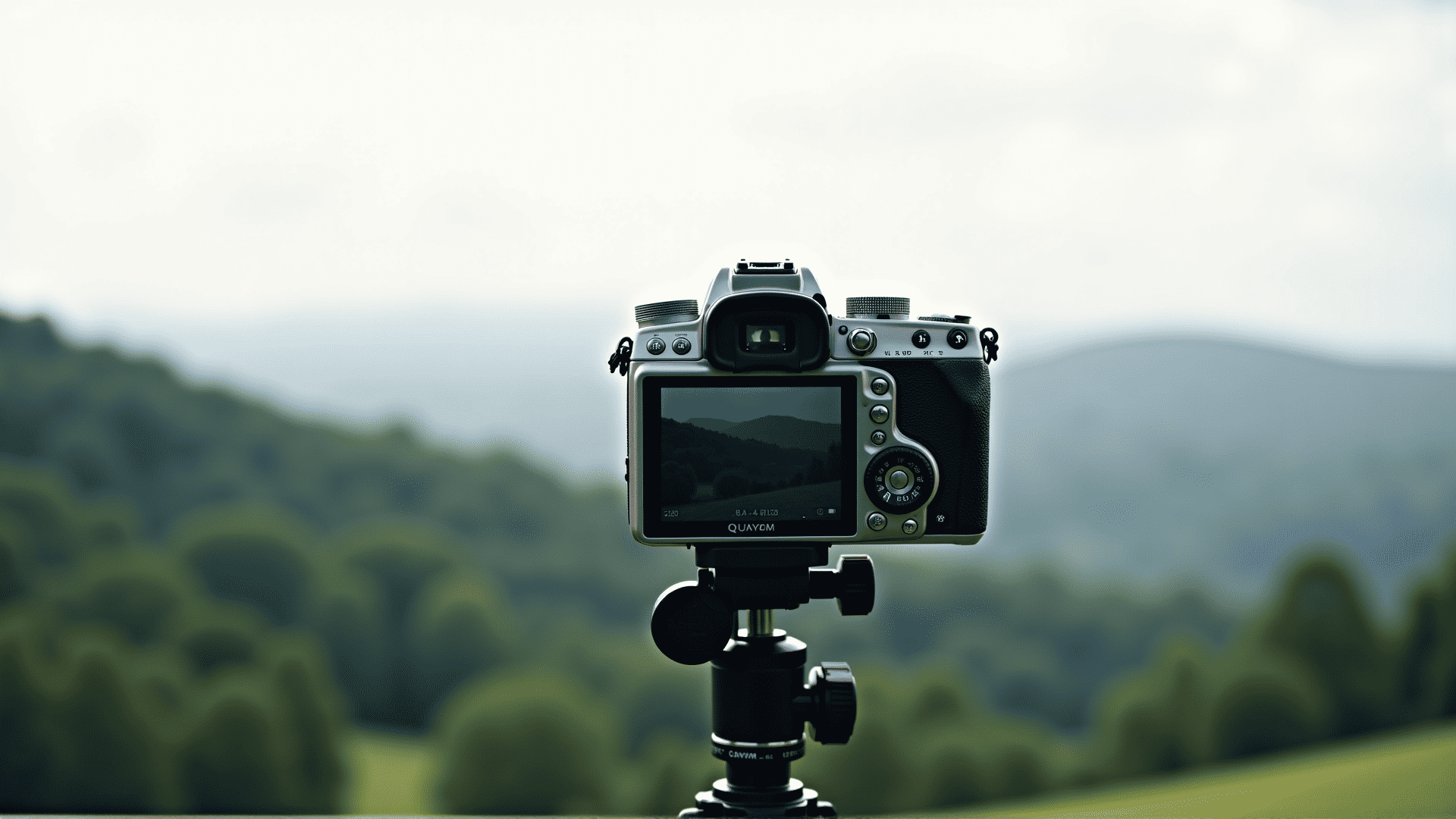
Unlocking the full potential of your camera may seem like a daunting task for both beginners and enthusiasts, but with the right techniques, it becomes an exciting journey into the world of photography. Understanding and mastering fundamental camera settings such as shutter speed and ISO can transform your snapshots into stunning images that capture the essence of a moment.
Understanding Shutter Speed
Shutter speed refers to the length of time the camera's shutter remains open to allow light in. It can dramatically affect your photos, dictating both the exposure and the sharpness of the image. A fast shutter speed is ideal for freezing action, such as a bird in flight or a speeding car. On the other hand, a slower shutter speed can create captivating motion blur effects, perfect for capturing the flow of a waterfall or the rush of city traffic at night.
Experimenting with shutter speed allows you to control the way motion is depicted in your images. Practice is key—try photographing the same scene with different shutter speeds to see how the results vary.
Mastering Aperture Settings
Aperture, measured in f-stops, controls the amount of light entering the camera lens, affecting both exposure and depth of field. A lower f-stop (e.g., f/2.8) results in a larger aperture that allows in more light, perfect for low-light conditions and creating a beautifully blurred background. This technique is particularly popular in portrait photography.
In contrast, a higher f-stop (e.g., f/16) diminishes the aperture size, letting in less light but increasing the depth of field. This setting is ideal for landscape photography, where you want to keep both the foreground and background in sharp focus.
ISO Settings: A Tool for Light Sensitivity
ISO determines the camera sensor's sensitivity to light. A lower ISO setting (e.g., ISO 100) is suitable for bright environments, minimizing noise in your photos. Conversely, higher ISO settings (e.g., ISO 1600) are beneficial in low-light situations, although they may introduce graininess into the image.
Balancing ISO with shutter speed and aperture is crucial for achieving the desired exposure without sacrificing image quality. Understanding this relationship is vital, as it allows you to adapt to varying lighting conditions with ease.
Composing Your Shot
Beyond technical settings, composition plays a significant role in photography. Applying principles such as the rule of thirds, leading lines, and framing can add depth and interest to your photos. Take time to explore your surroundings, looking for unique angles and perspectives that highlight the subject of your shot.
The Journey to Mastery
As with any skill, practice and experimentation are invaluable on your journey to becoming proficient with your camera. Don't be afraid to make mistakes; each photograph is an opportunity to learn something new. Study the work of experienced photographers, seek feedback, and always stay curious.
Harnessing the full potential of your camera is an exhilarating process. As you become more familiar with each setting and technique, you'll gain the confidence to capture the world around you in ways you never imagined possible. Embrace the journey and watch as your skills and creativity flourish with every click of the shutter.